2025: A Breakthrough Year for Myoepithelial Carcinoma Research
2025 was a watershed year for myoepithelial carcinoma (MEC) research – and that progress was made possible by you.
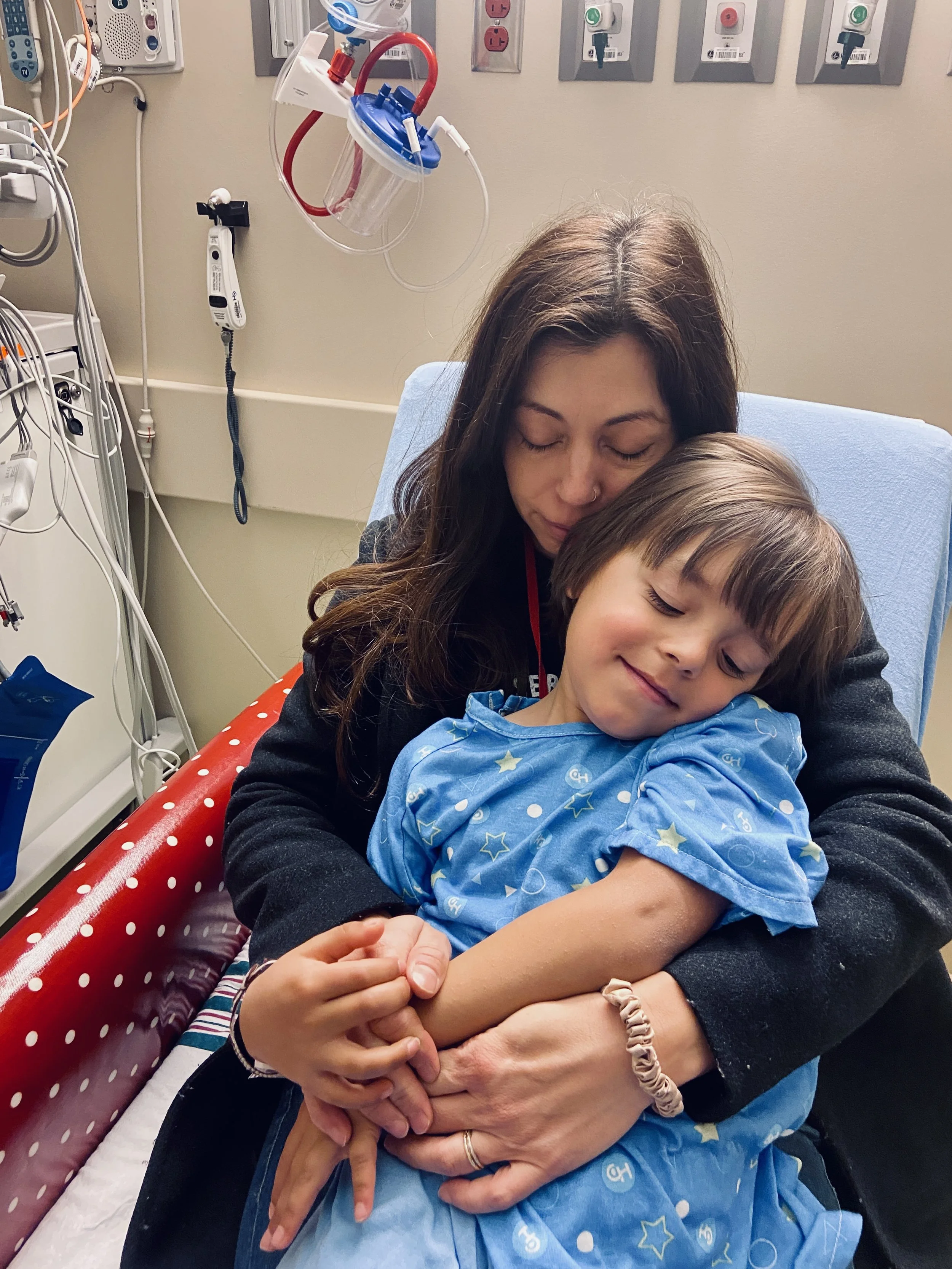
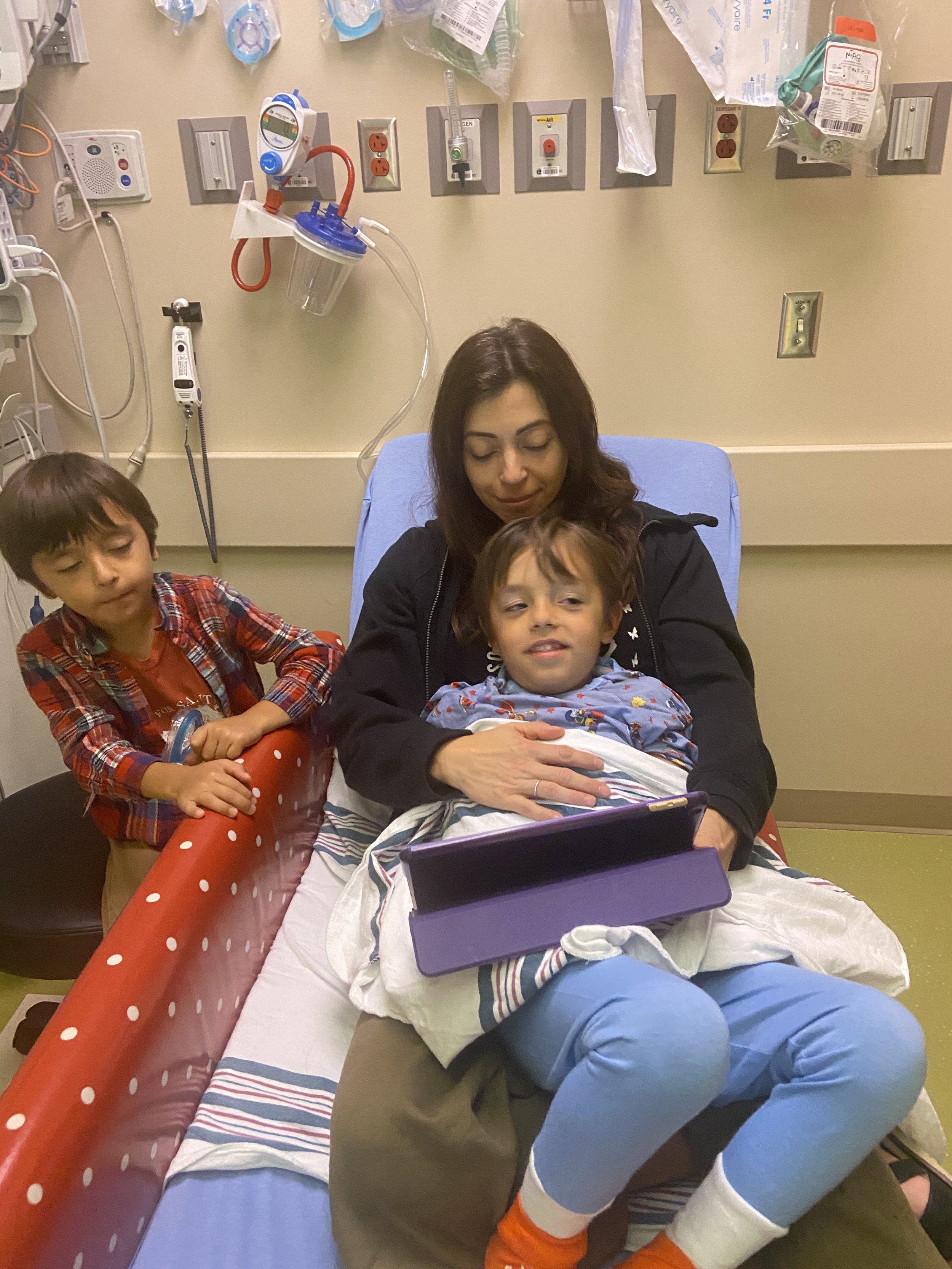
Thanks to the dedication of patients and families, the generosity of donors, and the collaboration of scientists across leading cancer centers, cureMEC helped build something that has never existed for this ultra-rare cancer: a coordinated, patient-powered research ecosystem with global reach. For a disease that has long existed in scientific obscurity, this year marked the beginning of a new era.
Below is a look at what we accomplished together.
The World’s First MEC Cell Lines – A Historic Breakthrough
This year, Dr. Brian Van Tine and his team at WashU successfully developed the world’s first two MEC cell lines – tools that researchers have needed for decades but never had access to until now.
These models immediately opened doors:
Scientists can now test drugs directly on MEC cells.
Researchers can map genetic vulnerabilities.
Labs can study real-time tumor behavior and treatment response.
Early analyses have already revealed several promising surface proteins that may become future therapeutic targets.
This single achievement has fundamentally changed what is possible in MEC research. For a cancer with no standard treatment, this progress is extraordinary.
Expanding Our Capacity: Welcoming Our First Director of Research
In October, cureMEC hired its first Director of Research, Jamie Barber, Ph.D.
Dr. Barber brings deep expertise in rare cancer research and scientific collaboration. Her leadership is already accelerating our research strategy, strengthening institutional partnerships, and helping us build a sustainable infrastructure for the future.
This moment represents a major leap forward – a sign that MEC research is not just happening, but growing.
Integrated MEC in World-Class Research Initiatives
For the first time ever, MEC is being studied at some of the most advanced cancer research institutions in the world. Through your support, cureMEC helped bring MEC into cutting-edge scientific platforms, including:
Broad Institute of MIT and Harvard – Broad researchers are now incorporating MEC into its world-class platforms for cancer biology and drug discovery. Using our MEC cell lines, they are running high-resolution imaging studies, performing genomic sequencing, testing thousands of drugs, and mapping genetic vulnerabilities to accelerate treatment discovery.
Fred Hutch Cancer Center – Dr. Taran Gujral is applying his systems pharmacology-based drug screening platform to MEC. Using our cell lines and xenograft, his lab will be testing hundreds of compounds and mapping the signaling networks that drive MEC, uncovering drug vulnerabilities that traditional screening methods might miss.
Children's Hospital of Philadelphia – CHOP scientists are using advanced long-read RNA sequencing to deeply characterize MEC’s transcriptome. By applying their new IRIS-long computational tool to our MEC cell lines, they are uncovering transcript-level details that could point to new therapeutic targets.
Dana-Farber Cancer Institute – Including MEC in its Pediatric Cancer Dependencies (PedDep) Accelerator, one of the largest efforts to map the genetic weak points of childhood cancers. By contributing our MEC cell lines, cureMEC is helping identify unique vulnerabilities that may lead to precision therapies.
These collaborations reflect a growing recognition across the scientific community: MEC deserves focused research – and cureMEC is building the foundation to make it possible.
Launching the First-Ever MEC Biobank & Patient Data Registry
In collaboration with the Rare Cancer Research Foundation and powered by Pattern.org, we launched the first MEC Biobank and Patient Data Registry.
This patient-powered platform will:
Provide researchers access to MEC tissue, clinical histories, and sequencing data
Support future studies, drug screening, and biomarker discovery
Empower patients to directly contribute to research progress
Build a centralized, scientific dataset for this ultra-rare cancer
A biobank is the backbone of modern cancer research – and now, MEC has one.
Building Partnerships & Elevating the MEC Community
This year, we deepened our relationships with leading rare-cancer organizations and patient communities:
Rare Cancer Research Foundation (RCRF) – Hosted our first-ever webinar, “MEC Patients Driving Discovery: The First-Ever MEC Biobank & Data Commons” in partnership with RCRF. You can watch the recording here.
TargetCancer Foundation – Naomi presented on a national panel, “The Power of Advocacy: Collective Strength Through the Rare Cancer Patient Voice” as part of TCF’s Lunch & Learn Webinar series [YouTube link]
PUSH Platform – We began laying the groundwork to establish an international MEC Working Group as part of PUSH, a global collaboration uniting researchers, clinicians, and advocates to build the shared platform needed to accelerate discovery and improve outcomes for everyone affected by ultra-rare sarcomas.
These partnerships are essential for a cancer as rare as MEC – progress will come through collective effort.
Presence at Major Scientific Conferences
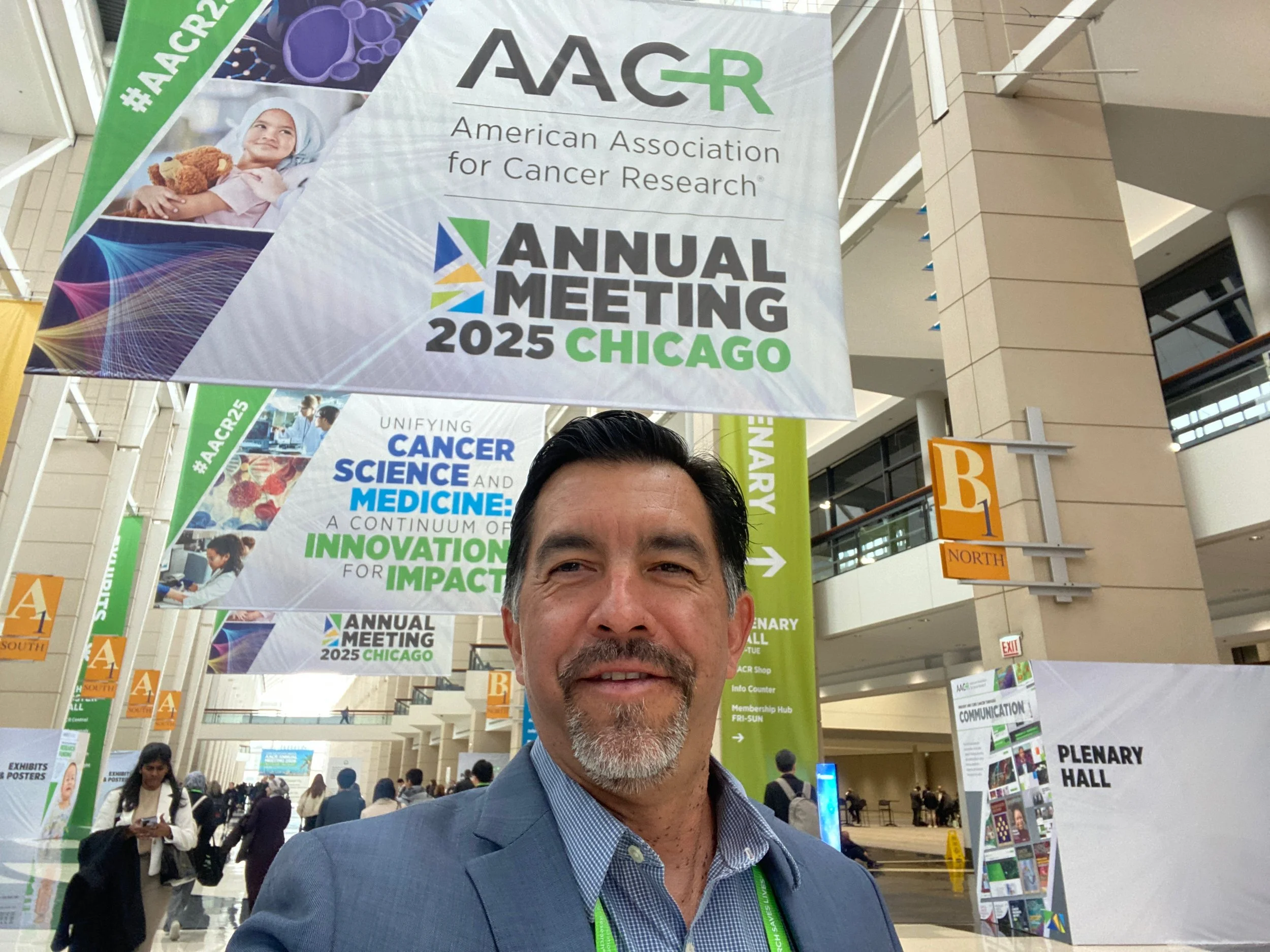
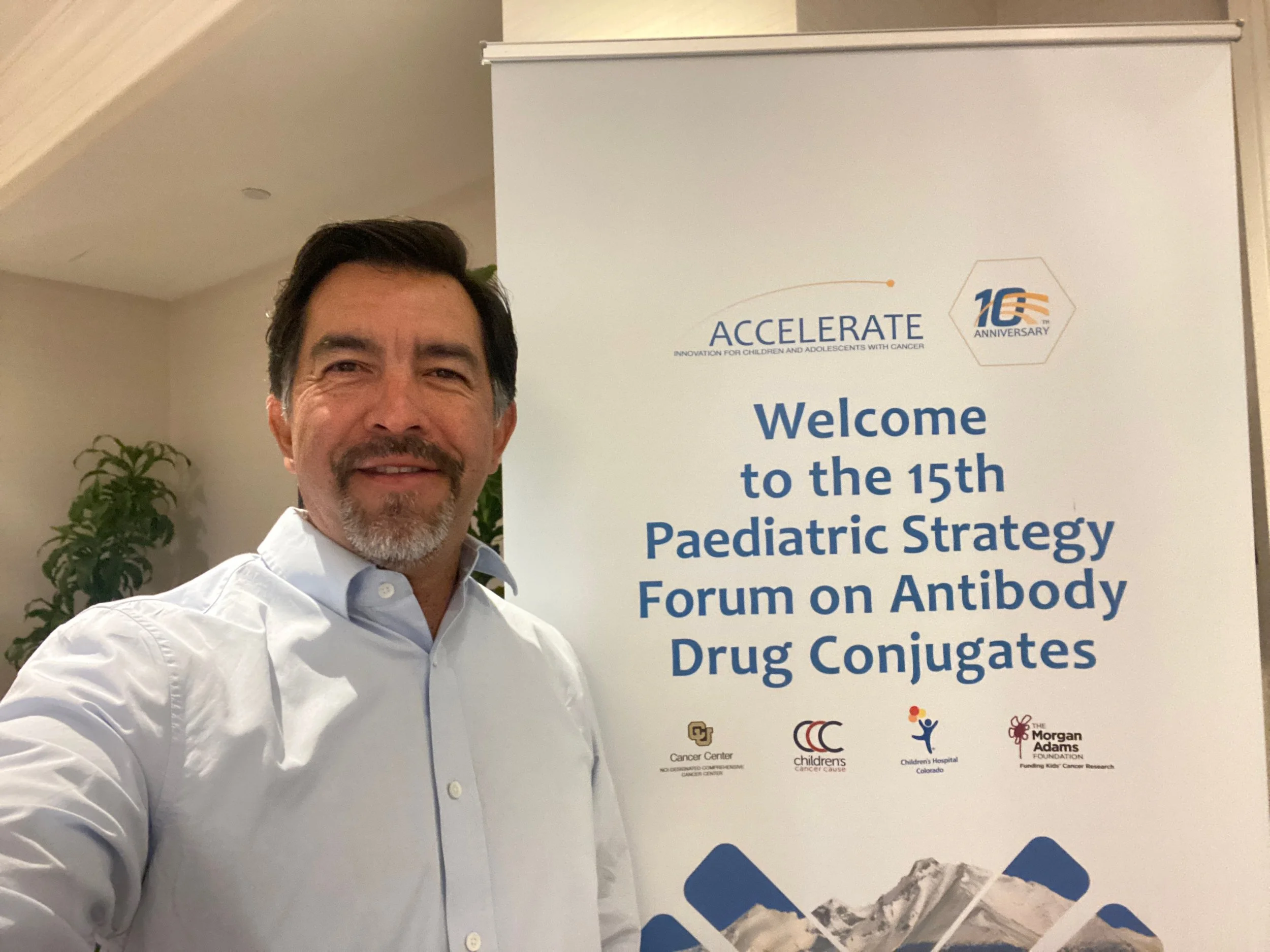
cureMEC represented the MEC community at major conferences including ASCO, AACR, ACCELERATE, and CTOS.
These meetings led to new collaborations – including with MD Anderson Cancer Center and Children’s Hospital Los Angeles – and strengthened relationships with other rare cancer advocacy groups.
We also achieved another major first – cureMEC’s first scientific abstract was accepted. Our inaugural poster, “Establishing the First Integrated Research Infrastructure and Preclinical Models for EWSR1 Fusion‑Positive Myoepithelial Carcinoma,” will be presented at the AACR Special Conference on Fusion‑Positive Cancers in January.
Supporting Groundbreaking Research Through New Grants
In partnership with Rally Foundation, cureMEC awarded a two-year, $100,000 renewal grant to WashU for the project “Defining the Surfaceome of EWSR1-KLF15 Myoepithelial Carcinoma.”
This work has the potential to redefine how rare cancers are targeted – and is already generating discoveries that could inform future therapies.
$142,000 Raised in 2025 – Powering Real Progress
This year, our community raised more than $142,000 to accelerate research.
Your generosity supported:
Hiring our first Director of Research
Development of the first MEC cell lines
Launch of the MEC Biobank & Patient Registry
Drug screening and sequencing efforts
Expansion of collaborations worldwide
Every dollar invested in MEC research turns into possibility – and this year, possibility turned into progress.
A New Digital Home for the MEC Community
Just this month, we launched a redesigned curemec.org – a website built to reflect the movement we’ve become and the future we are striving toward.
The new site:
Highlights current research and partnerships
Offers plain-language educational resources
Shares stories from MEC families
Makes it easier to participate, donate, or contribute tissue and data
This site reflects the momentum of our community – and the movement we are building together.
Looking Ahead: Hope Is No Longer Distant
Everything we achieved in 2025 was driven by a simple belief:
Ultra-rare does not mean impossible – and it definitely does not mean hopeless.
In 2026, we will:
Grow the MEC Biobank and Patient Data Registry
Launch new drug discovery programs
Support additional genomic and translational research
Strengthen our global network of MEC investigators
Ensure every patient has access to contribute to – and benefit from – research
Thank you for standing with us, believing in this work, and pushing the science forward. Together, we are changing what’s possible for every family facing MEC.