
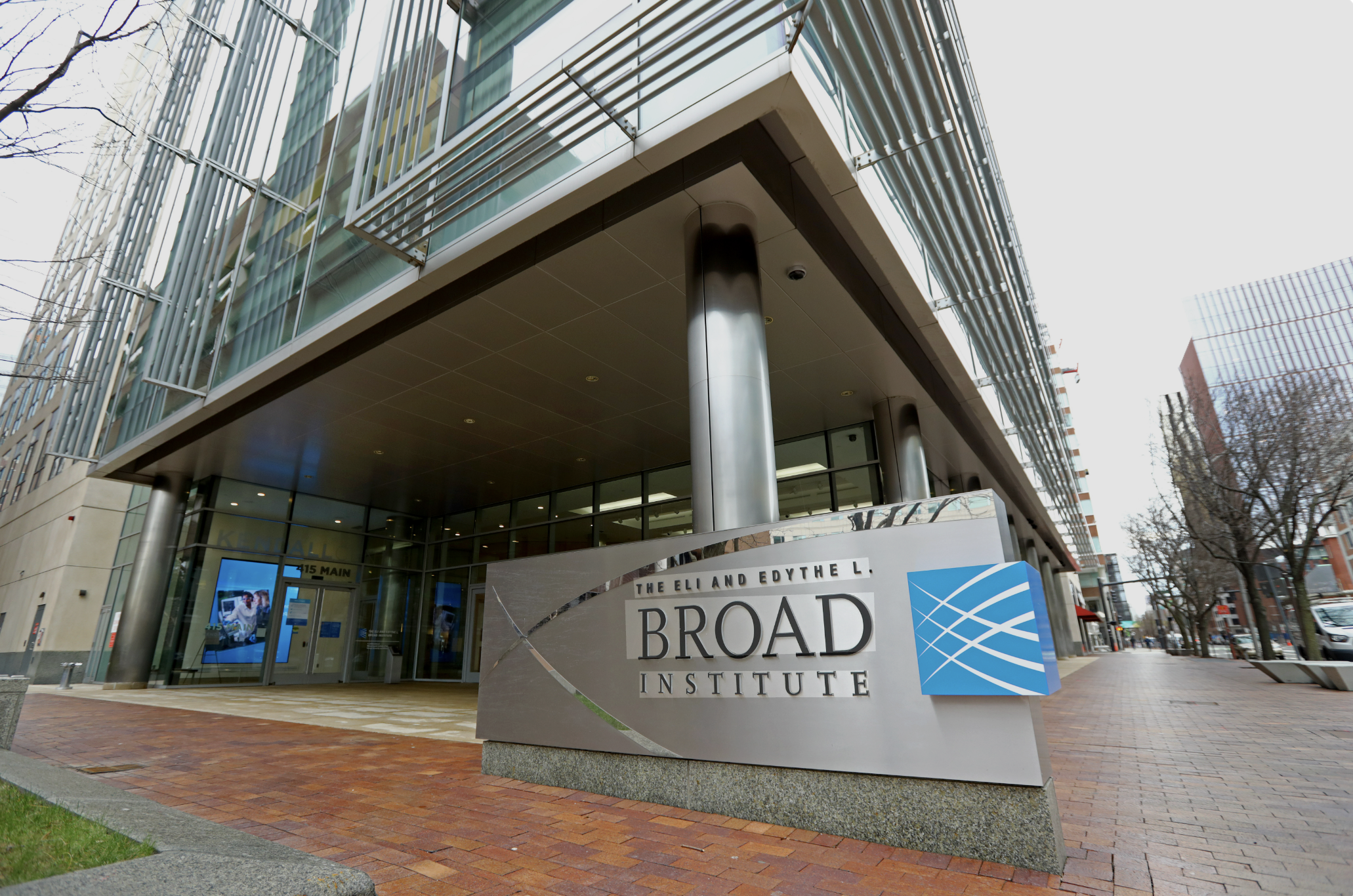
Broad Institute of MIT and Harvard
The Broad Institute of MIT and Harvard is one of the world’s foremost centers for biomedical research, advancing genomics and precision medicine to accelerate discovery across many diseases, including rare cancers.
Through its Cancer Cell Line Factory, Broad is working with cureMEC to develop new MEC organoids, cell lines, and spheroid models—powerful tools that enable deeper laboratory studies and drug discovery. Broad's Center for the Development of Therapeutics (CDoT) has also received our two MEC cell lines and is applying image-based profiling (the Cell Painting assay) to study them. Using the open-source software CellProfiler, researchers can apply machine learning to analyze subtle, single-cell-level changes in cell structure and behavior. This work is part of a broader effort to build a morphology atlas of pediatric cancers (through funding from Alex’s Lemonade Stand Foundation for Childhood Cancer) —revealing how different tumors look and behave, and how their genetics may shape those patterns. All resulting data will be made publicly available to accelerate research worldwide.
Our MEC cell lines have also been submitted to Broad’s DepMap (Dependency Map) project, which uses large-scale genetic screens to identify the essential genes that cancers depend on. These insights can highlight potential therapeutic targets that may be especially relevant for MEC. In addition, cureMEC is interested in further collaborating with CDoT to access their Drug Repurposing Hub (https://repo-hub.broadinstitute.org/repurposing). Researchers would test thousands of existing drugs directly on our MEC cell lines to see if any can be repurposed as treatments for this rare cancer.
Together, these efforts ensure that MEC is represented in cutting-edge platforms at Broad—linking advanced biology, powerful data science, and innovative drug discovery to bring us closer to targeted treatments for patients.